

























Playing blackjack for real money online feels familiar at first: cards, totals, and the goal of beating the dealer. The difference is that every decision has a cash value, and the quality of your experience depends on more than luck. Rules, payment terms, bonus conditions, and personal discipline all influence how enjoyable and sustainable the game turns out to be. A careful player treats the casino as a service provider and the table as a game of decisions, not a shortcut to guaranteed profit. That mindset is especially important when money moves quickly and the screen makes each round feel smaller than it is.
How a Real-Money Blackjack Table Works
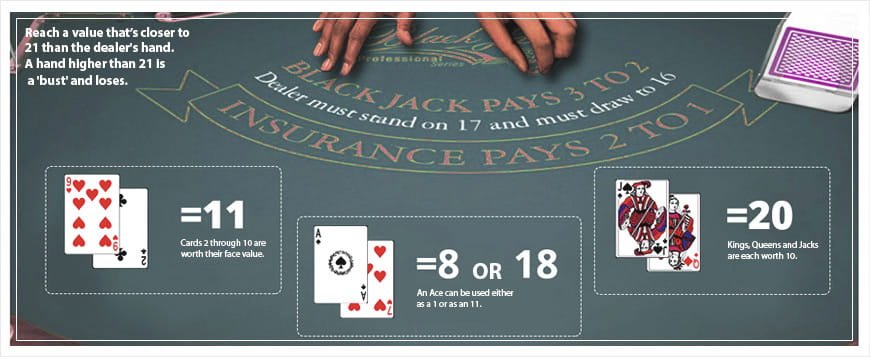
The core objective is simple: build a hand closer to 21 than the dealer without going over. Number cards keep their face value, picture cards count as ten, and an ace can be used as one or eleven depending on what helps the hand. A dealer total can be soft or hard when an ace is involved, and some game variants require the dealer to hit certain soft totals. The number of decks also varies; many games use several decks, with six being a common setup. Online tables may deal cards through software or present a live dealer stream, but the wager comes from your casino balance and winnings return there after the round. Although the interface is digital, the basic choices remain familiar: hit, stand, double, split, or sometimes surrender or take insurance depending on the variant. Because each round resolves quickly, it helps to know the table controls before wagering; a misclick at a real-money table cannot be undone.
Rules That Shape Your Odds
Not every blackjack table plays the same way, even when the screen looks similar. Payouts for a natural blackjack, dealer drawing rules, double-down restrictions, split limits, surrender options, and the number of decks can all affect the house edge. A variant that looks friendly because it has a low minimum bet may hide less favorable rules. Before placing a single wager, open the table rules and read how the dealer handles soft totals, when doubling is allowed, and whether splitting is limited. If two tables look almost identical, compare the rules side by side before choosing. Players who understand these details make better decisions and avoid unpleasant surprises after a hand has already been settled.
Deposits, Withdrawals, and Account Checks
A real-money casino account needs a funding method, and most licensed operators offer several. Common options include credit cards, debit cards, prepaid cards, and e-wallets, though availability depends on the player's location and the casino's policy. Before depositing, check fees, minimum and maximum limits, currency conversion costs, and how long withdrawals usually take. Identity verification is normal and may be requested before a withdrawal is approved, so completing it early can prevent delays. Where possible, casinos often return withdrawals to the same payment method used for the deposit, but alternatives such as bank transfer or cheque may exist. A small test deposit and withdrawal can reveal more than a long list of promises, but only after reading the terms. Read the cashier terms carefully rather than assuming every method works the same way.
Bonuses, Wagering, and the Value of Small Print
Signup offers and reload bonuses can add extra playing time, but they are not simply free cash. Most carry wagering requirements, game restrictions, maximum bet rules, and expiry dates. Blackjack may contribute less toward bonus clearing than slots, or it may be excluded from certain promotions altogether. A large headline offer can be worth less than a modest one with fairer terms, especially for a player who prefers table games. It also helps to estimate how much play a bonus requires in practice, rather than focusing on the headline amount. Check whether the bonus is available for blackjack, what happens to winnings if you withdraw early, and whether a bonus code is needed before depositing. If the conditions do not fit your bankroll or habits, skipping the bonus is often the smarter move.
Bankroll Discipline and Choosing a Casino
Real-money play moves quickly, so set a budget before you log in and treat it as entertainment spending rather than an investment. Choose stakes that leave enough room for normal swings, and avoid increasing bets to recover a loss. Basic strategy charts can help with hit, stand, double, and split decisions, and free-play versions are useful for learning a new variant without risking cash. When comparing casinos, look for clear licensing information, transparent banking terms, responsive support, and responsible-gambling tools such as deposit limits and self-exclusion. A stable connection and a quiet environment matter too, particularly at live tables where hesitation can affect the pace of play. Take breaks, and stop when the budget is gone rather than chasing a comeback.
Real-money blackjack can be an engaging casino game when the rules are clear and the player stays in control. Focus on table conditions, payment reliability, bonus terms, and sensible betting rather than flashy promotions. A little preparation before depositing makes the experience more transparent, more enjoyable, and far less likely to produce regrets.
I withdrew twice this month and the money arrived very fast. Very happy.
38 LikeExcellent article. The comparison table saved me a lot of time.
8 LikeI read this twice. Everything I needed was here.
24 LikeThis is the third article I read here and all of them were very good.
12 LikeThank you for explaining free spins. Now I understand it.
31 LikeVery useful information about payments. All my questions are answered.
41 Like